Twilight Portrait (2011) is a gritty and unflinching Russian drama. To watch the full movie, direct link is available below in the article.
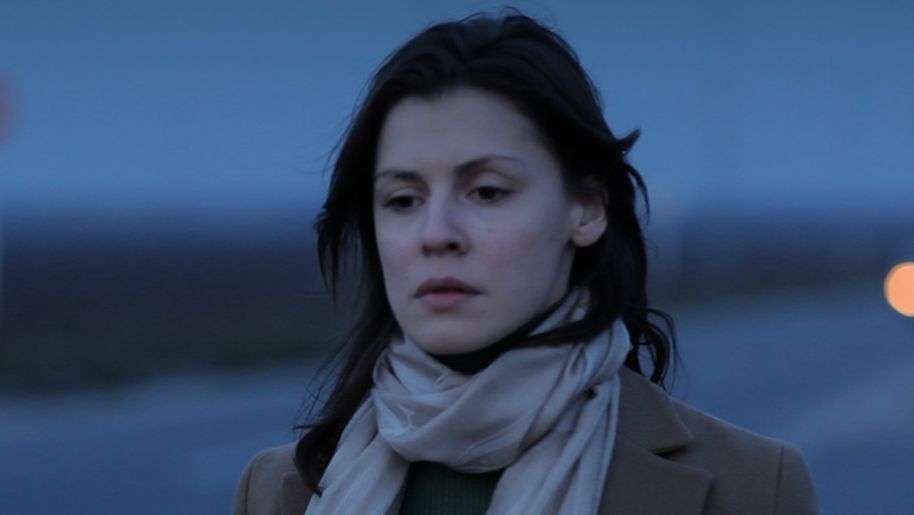
Twilight Portrait (2011) is a Russian psychological drama that offers a disturbing yet thought-provoking look at power, social inequality, and human survival. Directed by Angelina Nikonova, the film gained international attention for its bold storytelling, realistic performances, and fearless examination of modern Russian society.
Premiering at several international film festivals, Twilight Portrait became known for its raw portrayal of trauma and its willingness to challenge audiences with uncomfortable moral questions. The film is not an easy watch, but it remains a powerful piece of independent cinema.
Also Read:- Dreng (2011) Movie Summary, Cast, Review & Streaming Availability
Twilight Portrait (2011) Movie Summary
The story follows Marina, a middle-class woman living a relatively comfortable life in a Russian city. Although she appears successful on the surface, she feels emotionally disconnected from her family and dissatisfied with her daily existence.
One night, Marina’s life takes a devastating turn when she becomes the victim of a brutal assault. Traumatized and ignored by the authorities who should protect her, she finds herself trapped in a system where justice seems impossible to achieve.
Instead of seeking a conventional path toward recovery, Marina becomes obsessed with understanding the people responsible for her suffering. Her unusual and dangerous decisions lead her into a world far removed from her privileged background, forcing her to confront harsh realities about society, power, and human nature.
As Marina immerses herself in the lives of those on the margins, the film explores themes of identity, revenge, social division, and the psychological effects of trauma. The line between victim and observer gradually blurs, creating an unsettling narrative that keeps viewers questioning her motivations until the very end.
Rather than offering simple answers, Twilight Portrait presents a complex character study that examines how individuals react when their faith in society and justice is shattered.
Also Read:- You Disappear (2017) Movie Summary, Cast, and Where to Watch
Star Cast of Twilight Portrait (2011)
The film features a talented cast led by:
- Olga Dykhovichnaya as Marina
- Sergey Borisov as Andrey
- Roman Merinov as Igor
- Vladimir Dubosarsky in a supporting role
- Sergey Goludov in a supporting role
Olga Dykhovichnaya delivers a fearless and emotionally intense performance as Marina. Her portrayal captures the character’s vulnerability, anger, confusion, and determination, making her one of the film’s strongest elements.
Sergey Borisov, known for bringing authenticity to his roles, contributes to the film’s realistic atmosphere with a powerful supporting performance.
Direction and Production
Twilight Portrait was directed by Angelina Nikonova, who also co-wrote the screenplay. The film was created on a relatively modest budget, yet it succeeds in delivering a visually striking and emotionally impactful experience.
Nikonova uses a documentary-like style that enhances the realism of the story. The naturalistic cinematography and intimate camera work place viewers directly inside Marina’s unsettling journey, creating an atmosphere of tension and emotional discomfort throughout the film.
The director avoids sensationalism and instead focuses on the psychological and social consequences of the events depicted, allowing the film’s themes to resonate long after viewing.
Themes Explored in the Film
One of the reasons Twilight Portrait stands out is its exploration of challenging social and psychological issues. Key themes include:
- Trauma and emotional recovery
- Social inequality and class divisions
- Abuse of power
- Isolation and alienation
- Human morality and survival
- The search for identity after tragedy
These themes make the film much more than a conventional drama, encouraging viewers to reflect on broader societal issues.
Also Read:- An Affair (2018) Movie Summary, Cast, and Where to Watch
Critical Reception
Upon release, Twilight Portrait received positive attention from international critics and film festival audiences. Many reviewers praised its courageous storytelling, realistic performances, and willingness to tackle difficult subject matter.
While some viewers found the film emotionally challenging due to its dark themes, critics generally appreciated its artistic ambition and social commentary. The film remains an important work within contemporary Russian independent cinema.
Where to Watch Twilight Portrait (2011)
The availability of Twilight Portrait (2011) varies depending on your location and streaming services in your region. The film has previously been available through independent film platforms, digital rental services, and select international streaming providers.
Viewers interested in watching the film should check services such as Amazon Prime Video, Apple TV, Google TV, MUBI, or local video-on-demand platforms for current availability. Since licensing agreements change frequently, availability may differ by country.
Direct link to watch the Twilight Portrait (2011) full movie
Final Verdict
Twilight Portrait (2011) is a bold and uncompromising Russian drama that explores trauma, social inequality, and the complexities of human behavior. Anchored by a remarkable performance from Olga Dykhovichnaya and directed with confidence by Angelina Nikonova, the film delivers a powerful and unforgettable cinematic experience.
Although its mature themes and intense subject matter may not appeal to all viewers, those interested in thought-provoking independent cinema will find Twilight Portrait to be a challenging yet rewarding film that leaves a lasting impression.
Also Read:- 2 Temps, 3 Mouvements (2014): Movie Summary, Cast, and Where to Watch